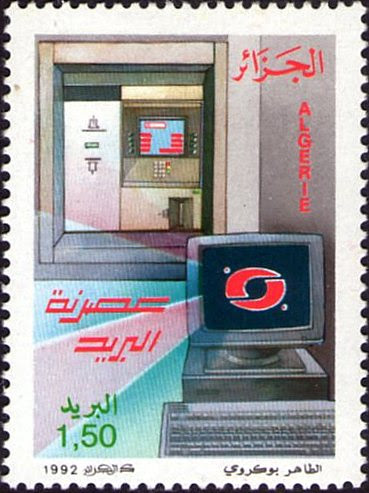
Modernization of positions
The Constitution of the International Telecommunications Union (ITU) of December 22, 1992, fully recognizes each State's sovereign right to regulate its telecommunications. Member States are required to comply with the provisions of the ITU Constitution, the Convention and the Administrative Regulations in all telecommunications offices and stations established or operated by them which provide international services or which may cause harmful interference to the radiocommunication services of other countries, except in respect of services which are not subject to these obligations.
Member States are also required to take the necessary measures to impose compliance with the provisions of the ITU Constitution on operations authorized by them to establish and operate telecommunications and which provide international services or operate stations capable of causing harmful interference to the radiocommunication services of other countries.
In the field of radiocommunications, the ITU, while keeping in mind the particular concerns of developing countries, is responsible for ensuring the rational, equitable, efficient and economical use of the radio frequency spectrum by all radiocommunication services, including those using the geostationary satellite orbit or other orbits, by carrying out studies without limitation as to the frequency range and by adopting recommendations relating to radiocommunications. The functioning of the radiocommunication sector is ensured by world and regional radiocommunication conferences, the Radio Regulations Committee, radiocommunication assemblies, study groups, the Radiocommunication Advisory Group and the Radiocommunication Bureau.
Member States are also required to take the necessary measures to impose compliance with the provisions of the ITU Constitution on operations authorized by them to establish and operate telecommunications and which provide international services or operate stations capable of causing harmful interference to the radiocommunication services of other countries.
In the field of radiocommunications, the ITU, while keeping in mind the particular concerns of developing countries, is responsible for ensuring the rational, equitable, efficient and economical use of the radio frequency spectrum by all radiocommunication services, including those using the geostationary satellite orbit or other orbits, by carrying out studies without limitation as to the frequency range and by adopting recommendations relating to radiocommunications. The functioning of the radiocommunication sector is ensured by world and regional radiocommunication conferences, the Radio Regulations Committee, radiocommunication assemblies, study groups, the Radiocommunication Advisory Group and the Radiocommunication Bureau.