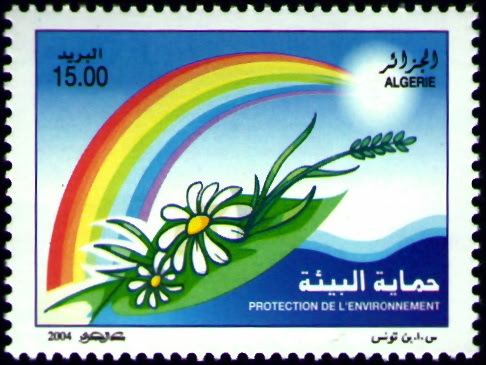
Environmental Protection
Algeria finds itself in a phase of "environmental transition" concomitant with that of its "economic transition". The issues and challenges facing Algeria, as well as the nature and extent of the environmental problems encountered, clearly show that the ecological degradation of the country, particularly with regard to natural capital (part of which is not renewable), has reached a level of seriousness which risks not only compromising a good part of the economic and social gains of the last three decades, but also limiting the possibilities gains in the well-being of future generations.
Also, to place itself in a logic of sustainable development, Algeria has chosen to take up the challenge. It has built a National Strategy for the Environment (SNE) and developed a National Action Plan for the Environment and Development (PNAED) in a ten-year perspective, both for the sustainable environment, articulated around a main objective:
- Integrate environmental reality into country socio-economic development programs in order to preserve fragile and limited natural resources (water, soil, forests, biodiversity, etc.) For long-term development and to improve the public health of citizens through better management of waste, sanitation and atmospheric emissions.
- This strategy proposes to strengthen the legal framework, build effective institutional capacities, introduce economic and financial instruments, improve environmental governance to support a priority investment program and enable its implementation under the best conditions.
In addition, six institutions were created.
- The National Conservatory of Environmental Training.
- The National Observatory of the Environment and Sustainable Development.
- The National Waste Agency.
- The National Center for Cleaner Production Technologies.
- The Biological Resources Development Center.
- The National Coastal Commission.
Also, we must patiently convince civil society with the help of the associative movement through awareness programs and involve it in decision-making. But this simultaneously implies rapid improvement in the rate of economic growth and environmental services, improvement of the living environment, access to natural resources to create a dynamic of reappropriation by citizens of the environmental issue.
The national environment and sustainable development strategy places the environmental issue in the context of the economic and social development followed by the country, with a view to linking the environmental transition thus envisaged to the economic transition in which the country is engaged and to meet the main challenges of sustainable development.
Also, to place itself in a logic of sustainable development, Algeria has chosen to take up the challenge. It has built a National Strategy for the Environment (SNE) and developed a National Action Plan for the Environment and Development (PNAED) in a ten-year perspective, both for the sustainable environment, articulated around a main objective:
- Integrate environmental reality into country socio-economic development programs in order to preserve fragile and limited natural resources (water, soil, forests, biodiversity, etc.) For long-term development and to improve the public health of citizens through better management of waste, sanitation and atmospheric emissions.
- This strategy proposes to strengthen the legal framework, build effective institutional capacities, introduce economic and financial instruments, improve environmental governance to support a priority investment program and enable its implementation under the best conditions.
In addition, six institutions were created.
- The National Conservatory of Environmental Training.
- The National Observatory of the Environment and Sustainable Development.
- The National Waste Agency.
- The National Center for Cleaner Production Technologies.
- The Biological Resources Development Center.
- The National Coastal Commission.
Also, we must patiently convince civil society with the help of the associative movement through awareness programs and involve it in decision-making. But this simultaneously implies rapid improvement in the rate of economic growth and environmental services, improvement of the living environment, access to natural resources to create a dynamic of reappropriation by citizens of the environmental issue.
The national environment and sustainable development strategy places the environmental issue in the context of the economic and social development followed by the country, with a view to linking the environmental transition thus envisaged to the economic transition in which the country is engaged and to meet the main challenges of sustainable development.