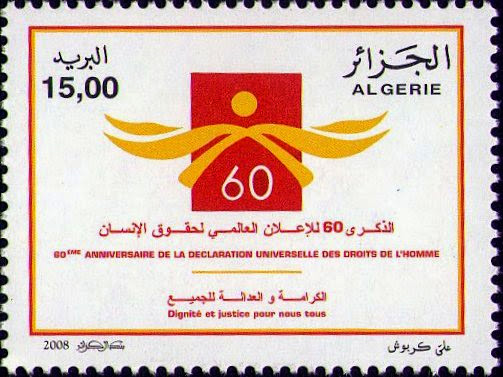
60th anniversary of the Universal Declaration of Human Rights
Adopted and proclaimed on December 10, 1948, the Universal Declaration of Human Rights is among those texts which have had a considerable impact on the life of humanity and which have certainly contributed to accelerating the history of peoples and nations.
Indeed, traumatized by a war which experienced the unspeakable with the atomic bomb, the international community gathered in a general assembly under the aegis of the emerging United Nations organization wanted to break with the acts of barbarism experienced during the Second World War and thus create the conditions for the advent of a better world where men and women would be freed from terror and poverty.
This declaration, which is among the most translated documents in the world, states that the dignity and value of the human person, the freedom to believe and speak, the equal rights of men and women without any discrimination are inherent to the human family.
Since its proclamation, the declaration has, in an undeniable way, served as a point of support and an essential reference for the promotion of the right of peoples to live free and a watchword for all those who dedicate their lives to the defense of human rights and fundamental freedoms.
A short text of 30 articles, this declaration, the 60th anniversary of which will be celebrated this December 10, 2008, dedicated to World Human Rights Day, by all nations and peoples loving justice and freedom, has certainly taken on a few wrinkles but the deep breath of its content still remains of great freshness and undisputed dynamism in the face of polymorphous conflicts and new threats which continue to attack the stability of States, the development of nations and peoples and the future of future generations.
Placed this year under the theme of “justice and dignity for all”, the commemoration of this text is an opportunity to once again highlight its relevance. Because beyond all consideration, this declaration remains a strong message which, by addressing all consciences, reminds them of the extent to which the path leading to the full recognition of the rights of the person it enshrines must be constantly revisited.
Indeed, traumatized by a war which experienced the unspeakable with the atomic bomb, the international community gathered in a general assembly under the aegis of the emerging United Nations organization wanted to break with the acts of barbarism experienced during the Second World War and thus create the conditions for the advent of a better world where men and women would be freed from terror and poverty.
This declaration, which is among the most translated documents in the world, states that the dignity and value of the human person, the freedom to believe and speak, the equal rights of men and women without any discrimination are inherent to the human family.
Since its proclamation, the declaration has, in an undeniable way, served as a point of support and an essential reference for the promotion of the right of peoples to live free and a watchword for all those who dedicate their lives to the defense of human rights and fundamental freedoms.
A short text of 30 articles, this declaration, the 60th anniversary of which will be celebrated this December 10, 2008, dedicated to World Human Rights Day, by all nations and peoples loving justice and freedom, has certainly taken on a few wrinkles but the deep breath of its content still remains of great freshness and undisputed dynamism in the face of polymorphous conflicts and new threats which continue to attack the stability of States, the development of nations and peoples and the future of future generations.
Placed this year under the theme of “justice and dignity for all”, the commemoration of this text is an opportunity to once again highlight its relevance. Because beyond all consideration, this declaration remains a strong message which, by addressing all consciences, reminds them of the extent to which the path leading to the full recognition of the rights of the person it enshrines must be constantly revisited.