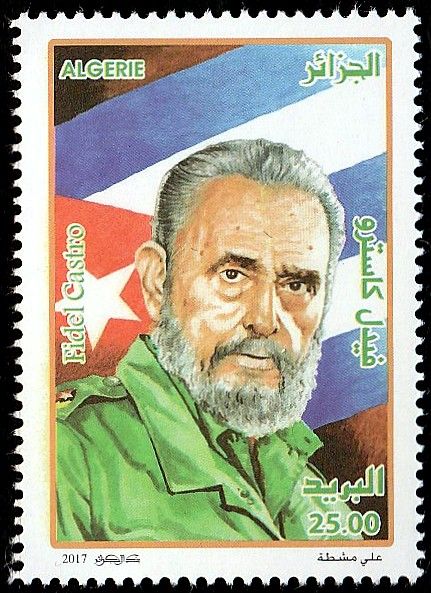
Fidel Castro
In September 1946, he enrolled in Law and Social Sciences at the University of Havana.
He immediately became involved in student political struggles and held various responsibilities at the Federation of University Students.
Between July and September 1947, he enlisted in an armed expedition ready to leave to fight against the regime of the Dominican dictator, Rafael Leonidas Trujillo.
A sympathizer with the progressive Cuban People's Party (Orthodox), he participated in its political campaigns from 1948.
In March 1949, he led a demonstration in front of the United States embassy in Havana to express popular indignation after the disrespectful act committed against the monument of the National Hero of Cuba José Marti.
Fidel obtained his doctorate in Civil Law and his license in Diplomatic Law in 1950.
At the time of Fulgencio Batista's coup d'état on March 10, 1952, he was one of the first to denounce the reactionary and illegitimate nature of the de Facto regime and to call for its overthrow.
On July 26, 1953, he led the attack on the Moncada barracks in Santiago de Cuba and that of Byamo. Arrested by the forces of repression, Fidel made his own plea, known as History Will Acquitt Me, and was sentenced to 15 years in prison.
Following strong pressure and popular support, he was amnestied in May 1955.
In July 1955, convinced that it was impossible to continue the fight against Batista by legal means, he left for Mexico to organize the armed insurrection from exile.
On January 17, 1957, he obtained his first victory against Batista's Army.
He victoriously entered Santiago de Cuba on January 1st and arrived in Havana on the 8th.
After the victory of the Revolution, he retained his functions as Commander-in-Chief. On February 3, 1959, he was appointed Prime Minister of the Revolutionary Government.
he was appointed Secretary General of the integrated revolutionary organizations and then of the United Party of the Socialist Revolution of Cuba. In 1965, he was elected First Secretary and reappointed to the following five Congresses.
In 1976, Fidel was elected deputy to the National Assembly of Popular Power for the municipality of Santiago de Cuba, and re-elected each time until 2006; he holds the positions of President of the Council of State and President of the Council of Ministers.
In 2006, he resigned from his functions as President of the Council of State and the Council of Ministers due to health problems, and at the 6th Party Congress, 2011, he ceased to be First Secretary. He remained a deputy of the National Assembly of Popular Power until his death.
He immediately became involved in student political struggles and held various responsibilities at the Federation of University Students.
Between July and September 1947, he enlisted in an armed expedition ready to leave to fight against the regime of the Dominican dictator, Rafael Leonidas Trujillo.
A sympathizer with the progressive Cuban People's Party (Orthodox), he participated in its political campaigns from 1948.
In March 1949, he led a demonstration in front of the United States embassy in Havana to express popular indignation after the disrespectful act committed against the monument of the National Hero of Cuba José Marti.
Fidel obtained his doctorate in Civil Law and his license in Diplomatic Law in 1950.
At the time of Fulgencio Batista's coup d'état on March 10, 1952, he was one of the first to denounce the reactionary and illegitimate nature of the de Facto regime and to call for its overthrow.
On July 26, 1953, he led the attack on the Moncada barracks in Santiago de Cuba and that of Byamo. Arrested by the forces of repression, Fidel made his own plea, known as History Will Acquitt Me, and was sentenced to 15 years in prison.
Following strong pressure and popular support, he was amnestied in May 1955.
In July 1955, convinced that it was impossible to continue the fight against Batista by legal means, he left for Mexico to organize the armed insurrection from exile.
On January 17, 1957, he obtained his first victory against Batista's Army.
He victoriously entered Santiago de Cuba on January 1st and arrived in Havana on the 8th.
After the victory of the Revolution, he retained his functions as Commander-in-Chief. On February 3, 1959, he was appointed Prime Minister of the Revolutionary Government.
he was appointed Secretary General of the integrated revolutionary organizations and then of the United Party of the Socialist Revolution of Cuba. In 1965, he was elected First Secretary and reappointed to the following five Congresses.
In 1976, Fidel was elected deputy to the National Assembly of Popular Power for the municipality of Santiago de Cuba, and re-elected each time until 2006; he holds the positions of President of the Council of State and President of the Council of Ministers.
In 2006, he resigned from his functions as President of the Council of State and the Council of Ministers due to health problems, and at the 6th Party Congress, 2011, he ceased to be First Secretary. He remained a deputy of the National Assembly of Popular Power until his death.