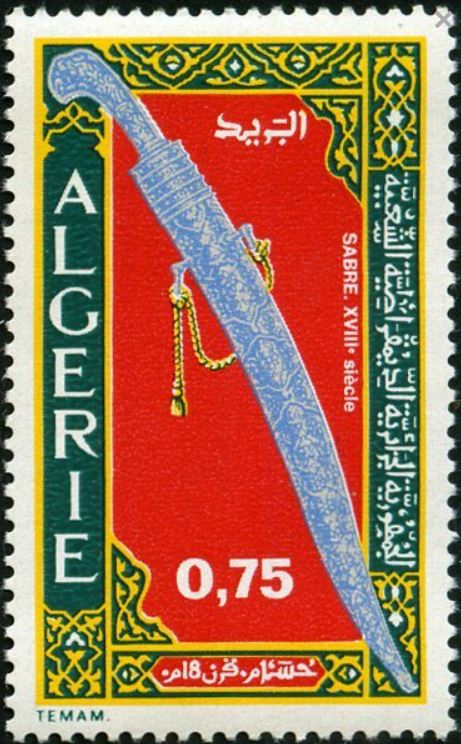
Algerian weapons of the 18th century
The roar, the detonation and the smell of gunpowder that emanates from it have always been the ultimate crowd stimulant. This was seen throughout our history where valiant warriors, riding purebred Arabians excited by the smell of gunpowder, fought valiantly. This exciting effect of the baroud is found today in our popular demonstrations. This therefore explains the affection that the Algerian has always devoted to weapons, rifles, pistols, sabers which, in many interiors both in our cities and in our countryside, serve as ornaments alongside hangings and other objects of art. The development of a specifically Muslim civilization in the 9th century favored the expansion of art which began to flourish from the 11th century in North Africa. It was Moorish art derived from the art of the caliphs of Cordoba and closely related to the art of Seville and Granada. It covered all areas: architecture, sculpture, goldsmithing, artistic armory. The Algerians excelled in this last area. This is how in the 18th century, artistic armory became a particularly flourishing industry. Specifically Algerian rifles were the work of skillful gunsmiths from certain regions of the country. They carved and inlaid the wood, they forged and chiseled the batteries and adapted cannons generally imported from Europe. These rifles constituted one of the luxuries of Algerian leaders and were among the gifts that the Pasha of Algiers offered to his illustrious guests.