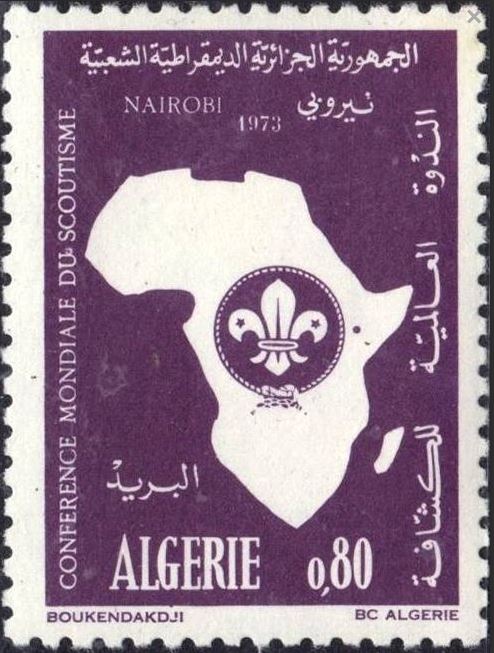
1st World Scout Conference, in Africa
Founded in 1907, Scouting is the largest voluntary youth organization in the world. The aim of the scout movement is to develop a sense of citizenship in boys, by building their character, by training them in the habits of observation, obedience and initiative, by instilling in them loyalty and consideration towards others, by teaching them to be useful to others, by teaching them manual skills and by developing their physical, mental and spiritual skills. Based on active education methods, scouting continues to adapt its programs to local and regional realities and to be at the forefront of progress and development. The accredited representatives of the national scout associations, who had adopted and put into practice the scout method in 1922, created the world conference with a view to coordinating the action of the world scout movement.
The World Conference is therefore the coordinating organization for world scouting and its authority is vested in delegates designated by member organizations. It meets every two years and aims to promote unity of objectives and common understanding of the basic principles of scouting throughout the world and to facilitate the development of scouting in all parts of the world.
It is a congress of scout leaders representing each country in which a duly recognized scout organization exists. They meet to examine the policy followed by scouting and take all appropriate measures to serve young people.
The 23rd World Scout Conference, which took place in Tokyo in 1971, adopted a five-year development plan intended to improve education programs and double the Scout membership, which today stands at more than 15 million boys and young men in 106 different countries.
The 24th World Scout Conference, whose main theme will be “Learning while serving”, will meet for the first time on the African continent, in Kenya (Nairobi – July 16 to 21, 1973), where Baden-Powell, the founder of scouting, is buried.
The World Conference is therefore the coordinating organization for world scouting and its authority is vested in delegates designated by member organizations. It meets every two years and aims to promote unity of objectives and common understanding of the basic principles of scouting throughout the world and to facilitate the development of scouting in all parts of the world.
It is a congress of scout leaders representing each country in which a duly recognized scout organization exists. They meet to examine the policy followed by scouting and take all appropriate measures to serve young people.
The 23rd World Scout Conference, which took place in Tokyo in 1971, adopted a five-year development plan intended to improve education programs and double the Scout membership, which today stands at more than 15 million boys and young men in 106 different countries.
The 24th World Scout Conference, whose main theme will be “Learning while serving”, will meet for the first time on the African continent, in Kenya (Nairobi – July 16 to 21, 1973), where Baden-Powell, the founder of scouting, is buried.