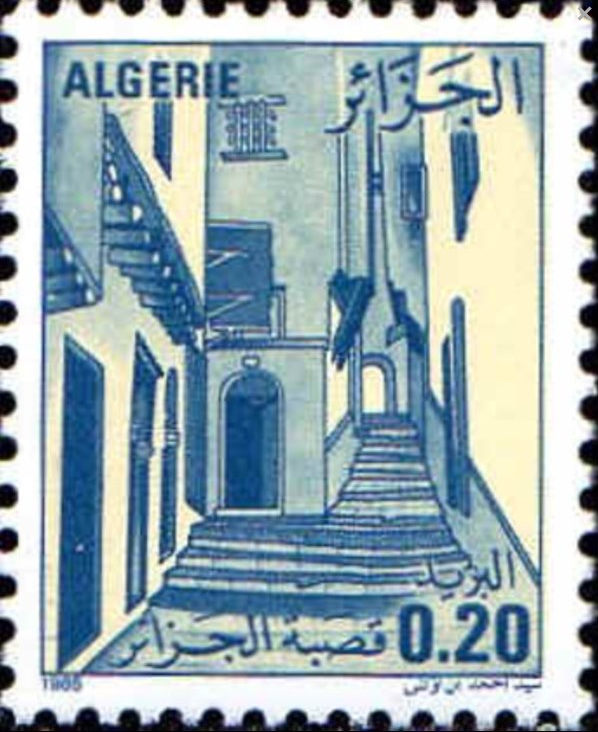
The Casbah of Algiers
A high place of history and civilization, the Casbah of Algiers has been and remains centuries after its construction the concrete symbol of harmony between an architectural art, a way of life and Muslim values.
Founded during the second half of the 10th century by Bologhine Ibn Ziri, Algiers was called El Djazaïr because of the islets which were located offshore and which, connected to the mainland, today form the Admiralty pier.
In the middle of the 17th century, one hundred thousand inhabitants lived in this city made up of several districts. Each neighborhood had its souk, its mosque, its fountains, its palaces and its very functional residences adapted to local customs and the Mediterranean climate.
Very beautiful mosques such as Djamaâ Djedid, Djamaâ El Kebir, Sidi Abderrahmane crisscrossed the city, thus attesting to the attachment to Islamic values. A place of residence and industrial center, the Casbah was organized into relatively autonomous districts specialized in the production of goods and services necessary for the daily life of the inhabitants.
Each professional corporation was placed under the patronage of a saint whose feast day it celebrated with common festivities. This framework and this organization of social life gave the Casbah a unity of the human fabric in symbiosis with the economic, religious and cultural practices of the population.
Pedestrian streets, interior galleries, lighting in houses and public places fit together in a coherent and pleasant way without offending people in this city where art and religion constitute the framework of society.
During the war of liberation, its architecture, its physical structure, the historical attachment of its sons to freedom and Muslim ethics made the Casbah a high place of struggle and fierce resistance to colonial forces. Political organization, mobilization of the masses, supply, manufacturing of bombs, delivery of weapons, secret caches, printing of leaflets and many other revolutionary actions were based in the Casbah of Algiers. Faced with this impregnable citadel and its material and human organization, the occupying forces suffered stinging setbacks.
Now a national historic heritage site, the Casbah is the subject of studies and major restructuring and development programs to protect it from the wear and tear of time. Renovation of its urban fabric, repair of residences and historical and cultural sites are currently being carried out for the benefit of the Casbah by the public authorities.
This vast plan will make it possible to safeguard this heritage of inestimable cultural and historical wealth and to promote this convincing testimony to the genius specific to the Algerian people.
Founded during the second half of the 10th century by Bologhine Ibn Ziri, Algiers was called El Djazaïr because of the islets which were located offshore and which, connected to the mainland, today form the Admiralty pier.
In the middle of the 17th century, one hundred thousand inhabitants lived in this city made up of several districts. Each neighborhood had its souk, its mosque, its fountains, its palaces and its very functional residences adapted to local customs and the Mediterranean climate.
Very beautiful mosques such as Djamaâ Djedid, Djamaâ El Kebir, Sidi Abderrahmane crisscrossed the city, thus attesting to the attachment to Islamic values. A place of residence and industrial center, the Casbah was organized into relatively autonomous districts specialized in the production of goods and services necessary for the daily life of the inhabitants.
Each professional corporation was placed under the patronage of a saint whose feast day it celebrated with common festivities. This framework and this organization of social life gave the Casbah a unity of the human fabric in symbiosis with the economic, religious and cultural practices of the population.
Pedestrian streets, interior galleries, lighting in houses and public places fit together in a coherent and pleasant way without offending people in this city where art and religion constitute the framework of society.
During the war of liberation, its architecture, its physical structure, the historical attachment of its sons to freedom and Muslim ethics made the Casbah a high place of struggle and fierce resistance to colonial forces. Political organization, mobilization of the masses, supply, manufacturing of bombs, delivery of weapons, secret caches, printing of leaflets and many other revolutionary actions were based in the Casbah of Algiers. Faced with this impregnable citadel and its material and human organization, the occupying forces suffered stinging setbacks.
Now a national historic heritage site, the Casbah is the subject of studies and major restructuring and development programs to protect it from the wear and tear of time. Renovation of its urban fabric, repair of residences and historical and cultural sites are currently being carried out for the benefit of the Casbah by the public authorities.
This vast plan will make it possible to safeguard this heritage of inestimable cultural and historical wealth and to promote this convincing testimony to the genius specific to the Algerian people.