Welcome to Algeria Stamps
A historic collection of 1,730 Algeria postage stamps

✨ Discovery of the day
Year: 2012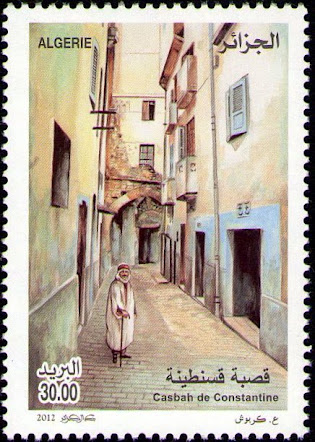
Kasbah of Constantine
The city of Constantine has seen the passage of several civilizations, each imprinting their architectural principles on the old medina (the kasbah). The arrival of the Turks will add to the Casbah its architectural vision which is characterized by the arrangement of the buildings and the layout of the streets. The urbanization work initiated by Salah Bey will in turn contribute to the investment of urban space outside the walls of the Casbah. With the French occupation in 1837, the Casbah of Constantine underwent significant modifications. It was surrounded by a regular and continuous enclosure. A number of buildings were demolished to make way for European-style buildings. Despite the effect of time and the irreversible consequences left by man, the Kasbah of Constantine has managed to keep its historical and cultural riches and continues to attract waves of visitors.
View Stamp Details →Collection Gallery
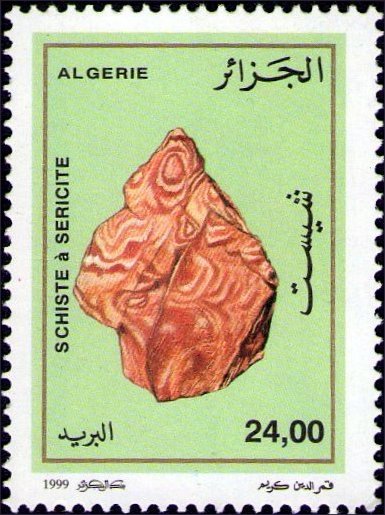
Sericite schist
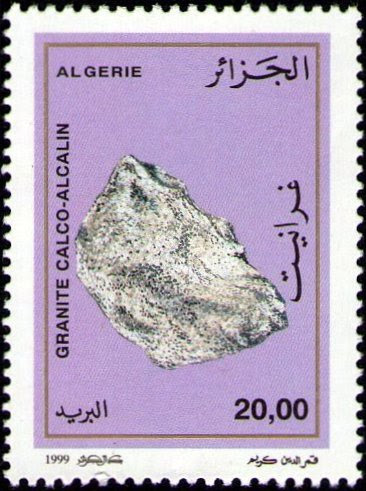
Calco-alkaline granite
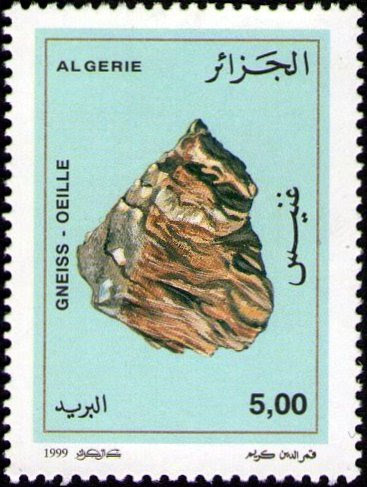
Gneiss - Eye
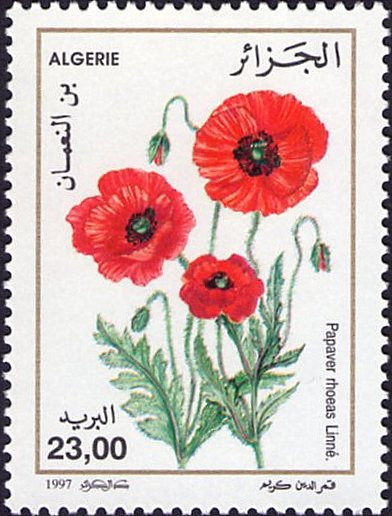
Papaver rhoeas linnaeus
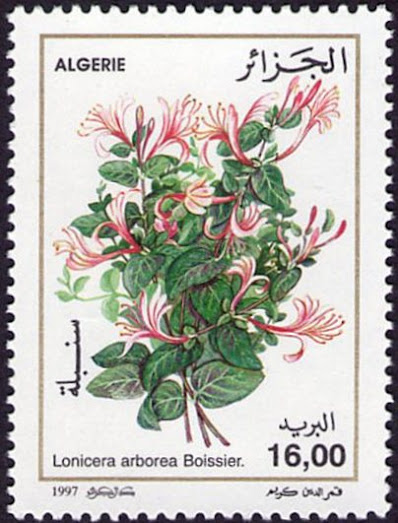
Lonicera arborea boisier
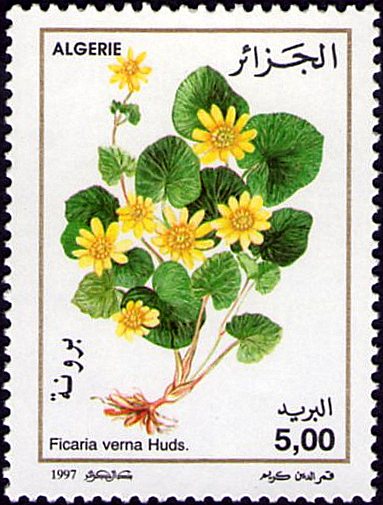
Ficaria verna huds
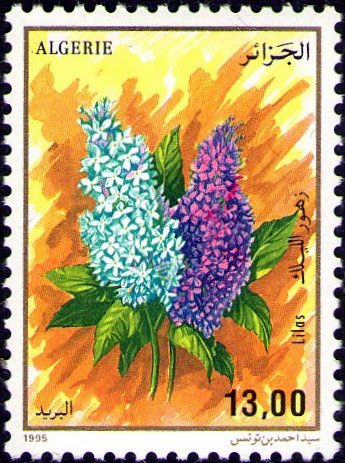
Lilac
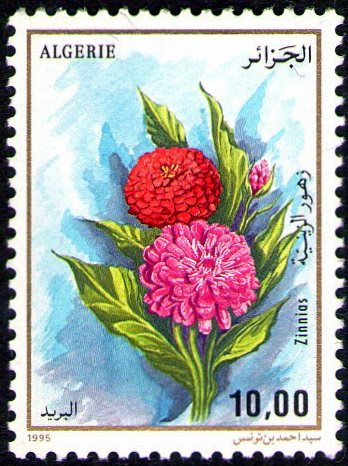
Zinnias
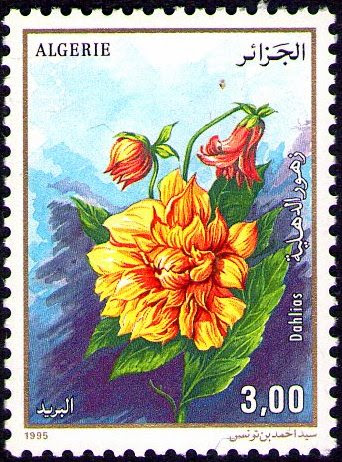
Dahlias
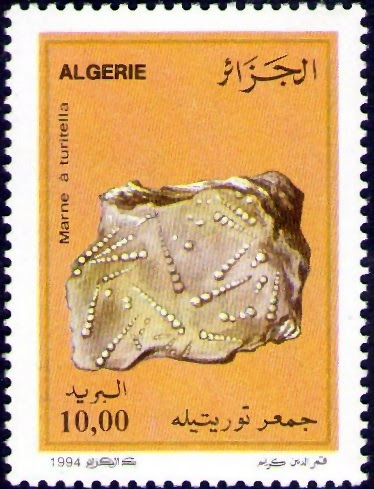
Marne in Turitella
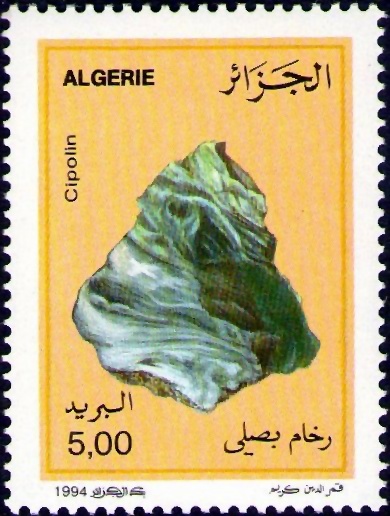
Cipoli
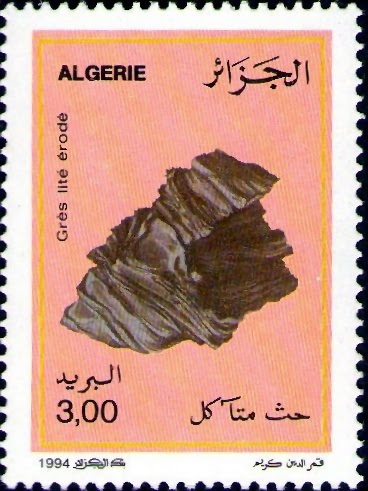
Lite-eroded sandstone
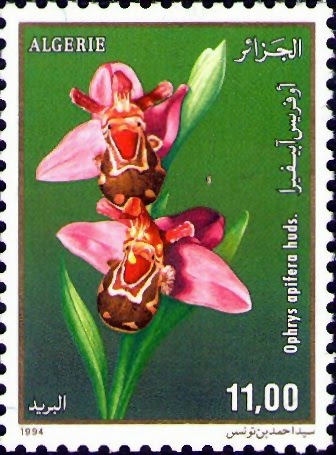
Ophrys apifera huds
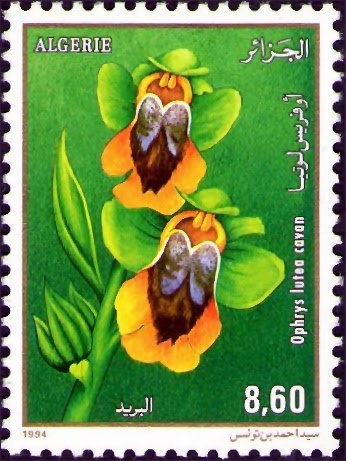
Ophrys lutea cavan
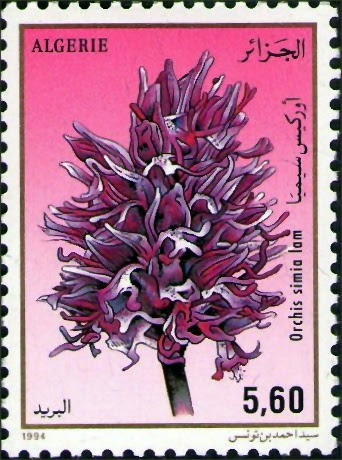
Orchis simia lam
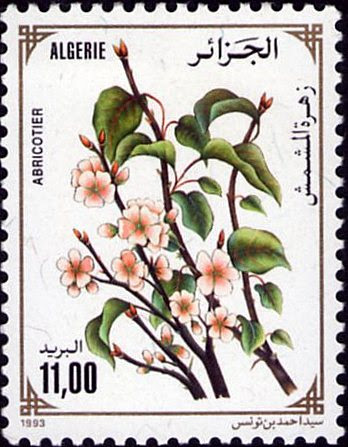
Apricot
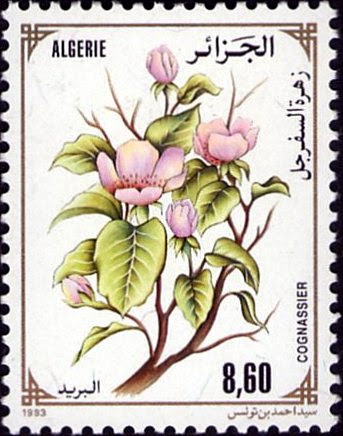
Cognassier
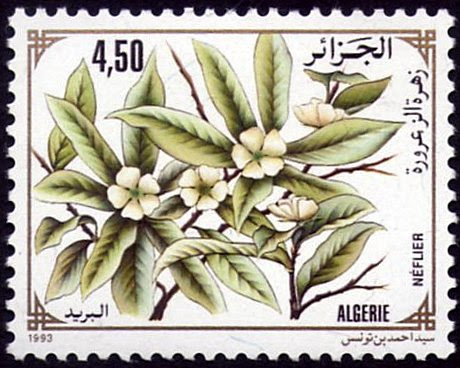
Medlar
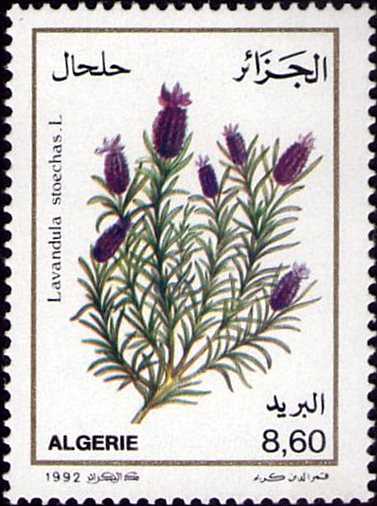
Lavandula stoechas - L (Lavender Stoechade)
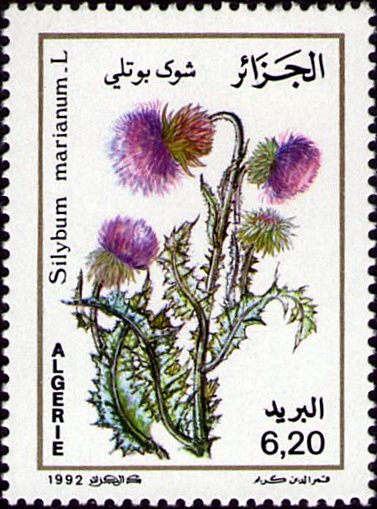
Silybum marianum - L (Milk thistle)
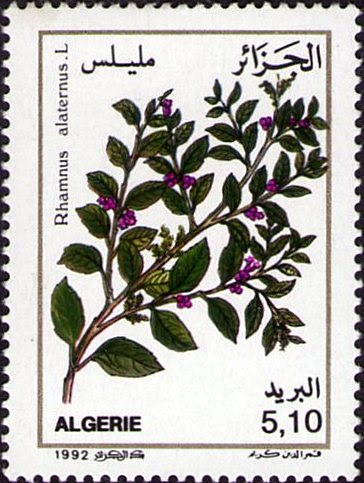
Rhamnus alaternus - L (Buckthorn Alaternus)
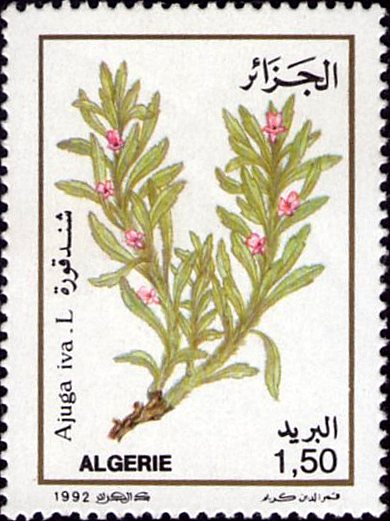
Ajugo iva - L (Musk Bugle)
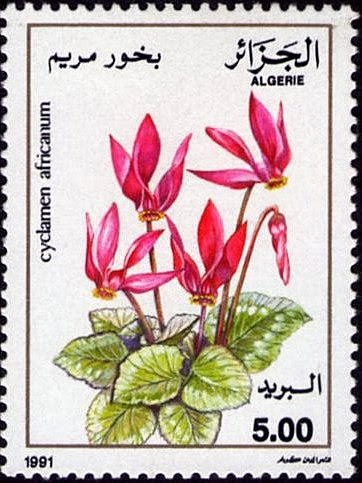
Cyclamen africanum - Cyclamen