Welcome to Algeria Stamps
A historic collection of 1,730 Algeria postage stamps

✨ Discovery of the day
Year: 2026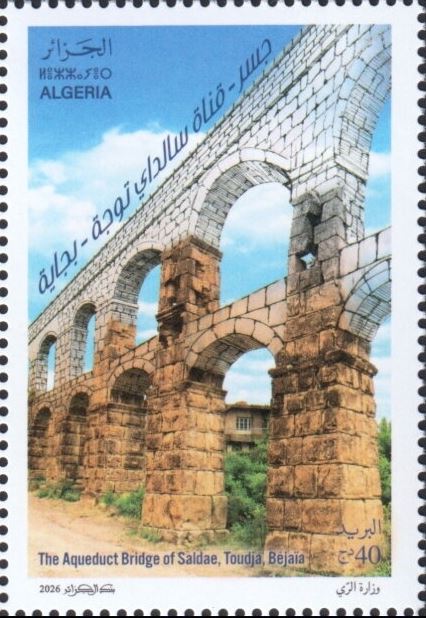
Saldae Toudja aqueduct bridge, Béjaïa
Built in the 2nd century (around 137 AD), this aqueduct was designed to transport water from the Toudja springs to the ancient city of Saldae (present-day Béjaïa). Engineering: The work was supervised by the famous Roman surveyor Nonius Datus. The work included a canal of more than 20 kilometers as well as the digging of the El Habel tunnel (approximately 428 meters) under the El Abel pass. Dimensions: The airbridge extended over 300 meters with a height reaching 15 meters. Heritage: In Toudja, the “Water House” (Akham Ouaman) is a space dedicated to the history of this aqueduct and to the promotion of local know-how linked to water management.
View Stamp Details →Collection Gallery
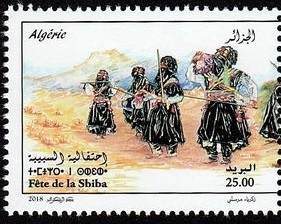
Sbiba Festival
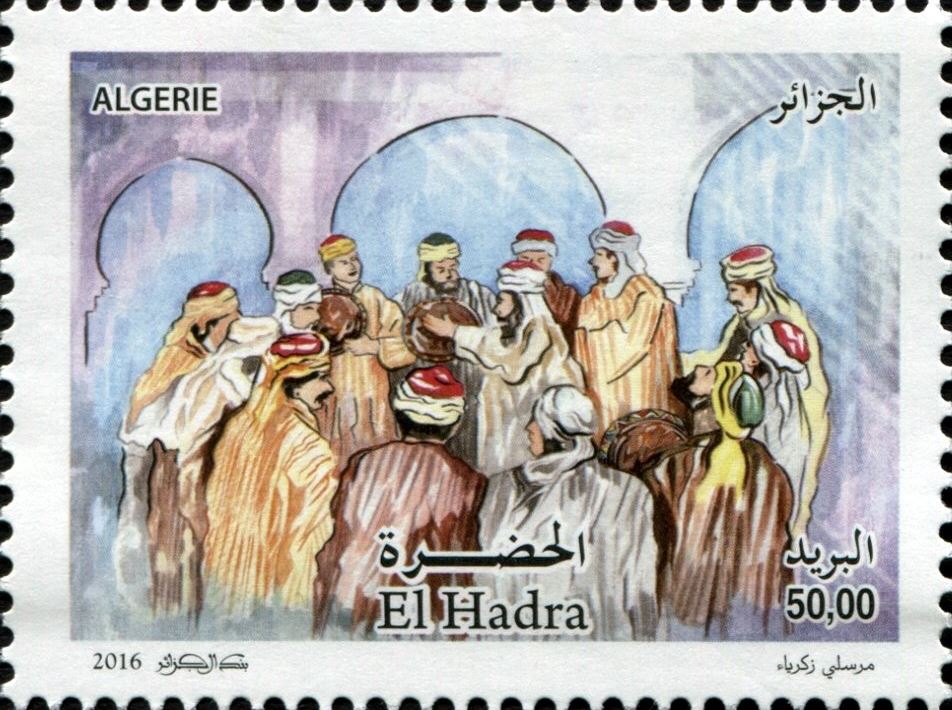
El Hadra
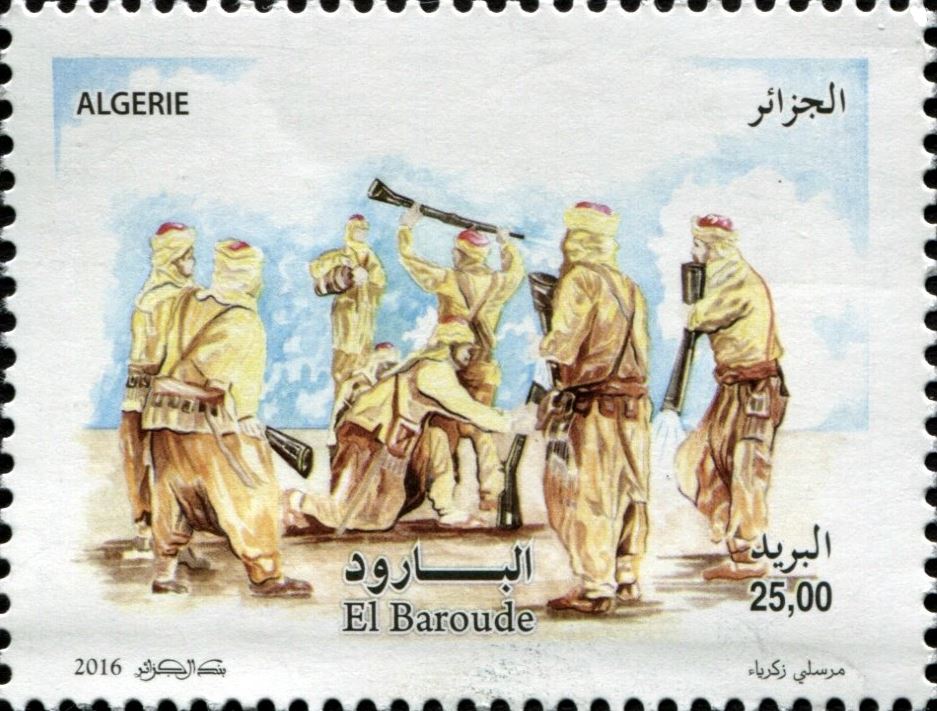
El Baroude
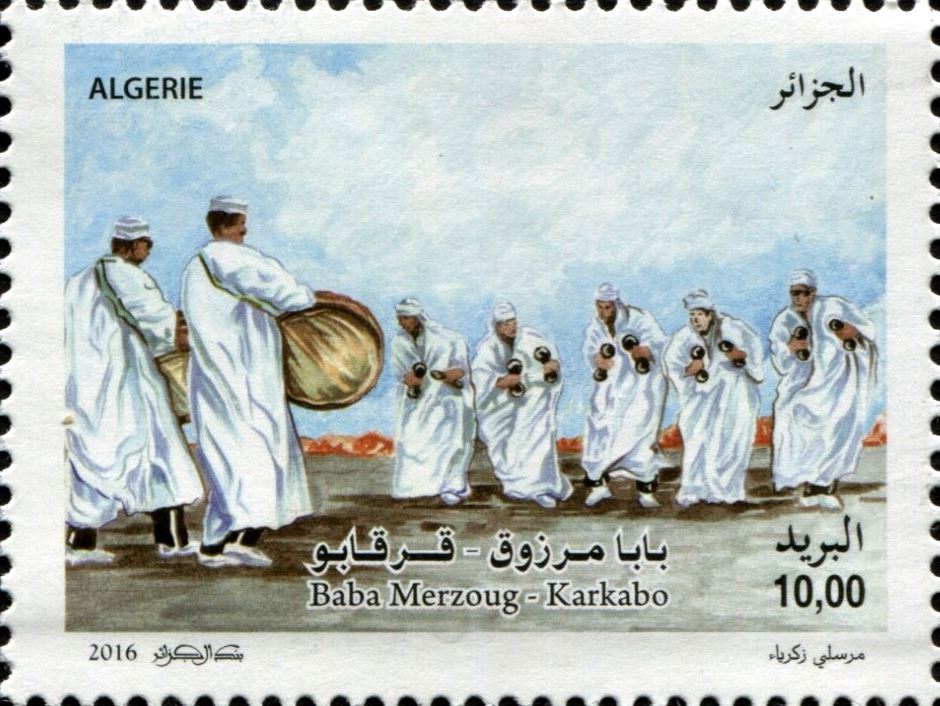
Dance of Baba Merzoug - Karkabo
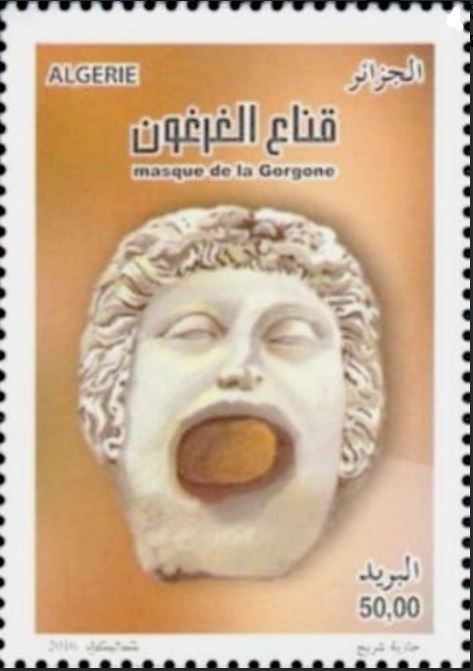
The Gorgon Mask
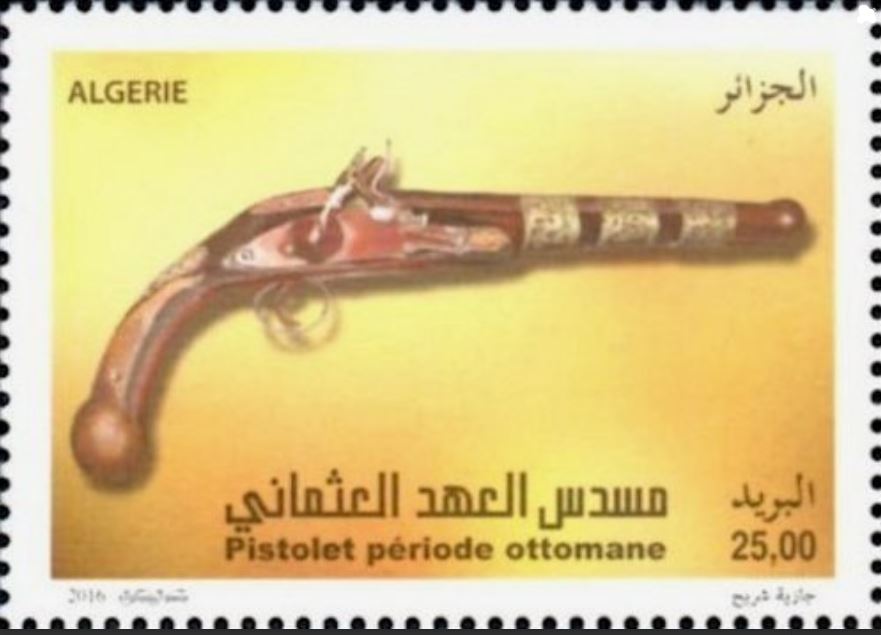
Ottoman period pistol
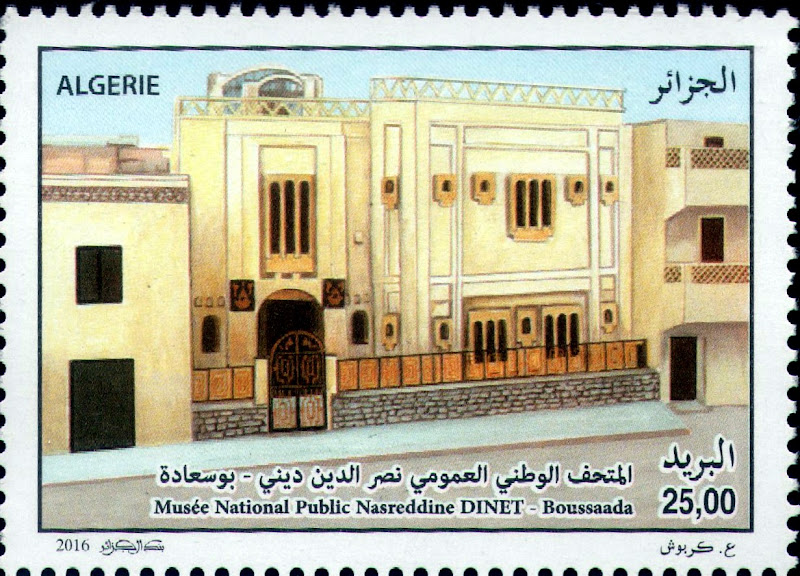
National Public Museum Nasreddine Dinet Boussaada
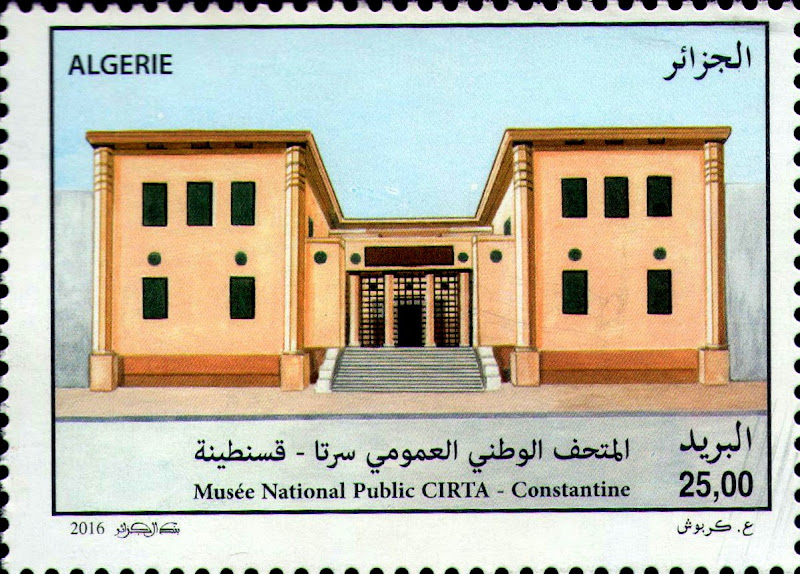
Cirta Constantine National Public Museum
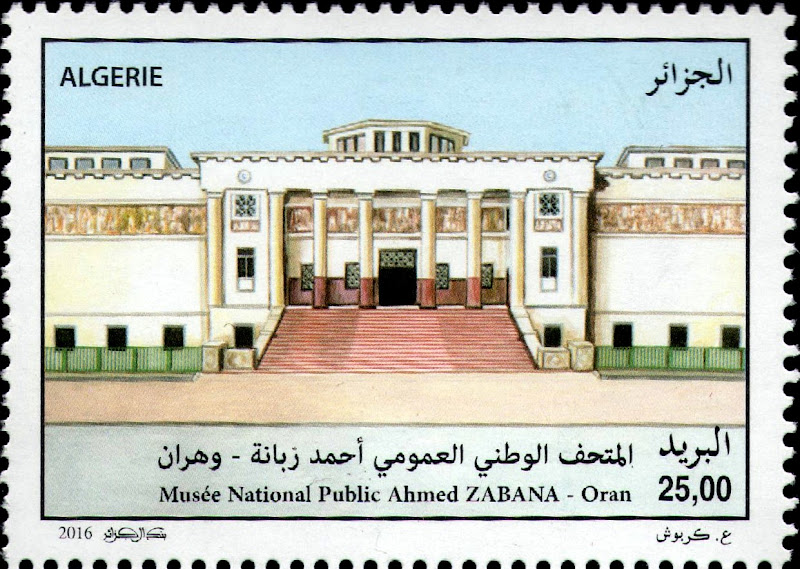
National Public Museum Ahmed Zabana Oran
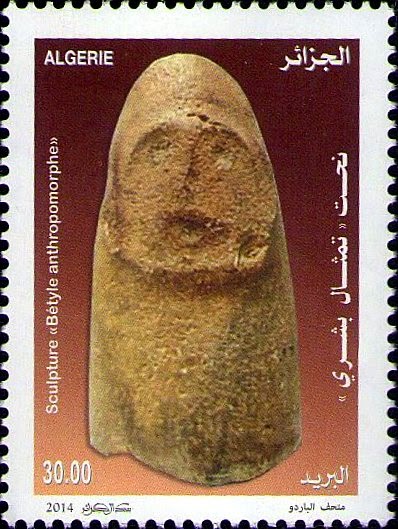
Prehistoric Arts Anthropomorphic Betyl
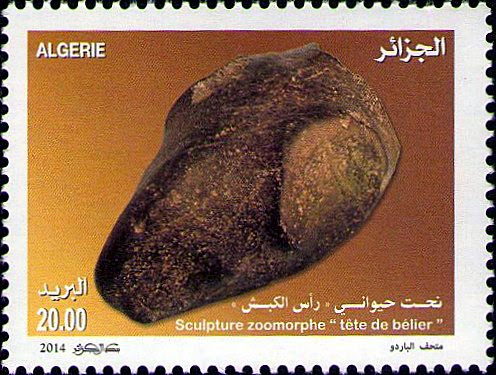
Prehistoric Arts Head of Ram
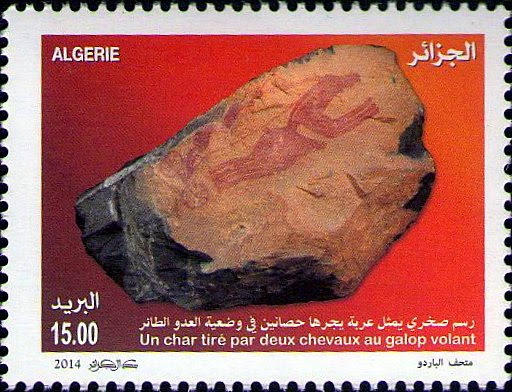
Prehistoric Arts The flying galloping chariot
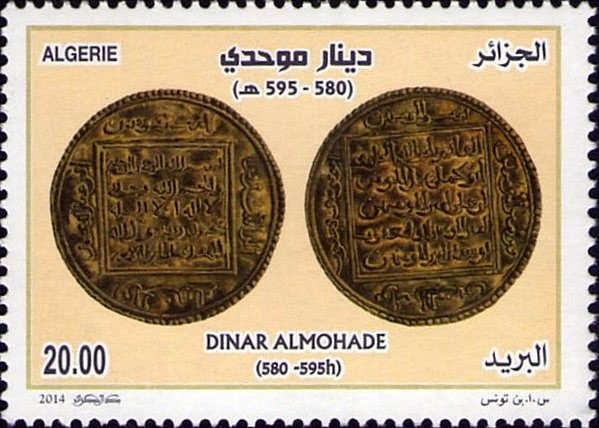
Almohad Dinar 580-595 hegira
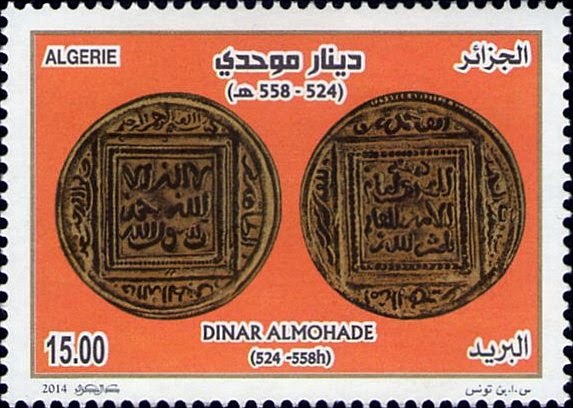
Almohad Dinar 524-558 hegira
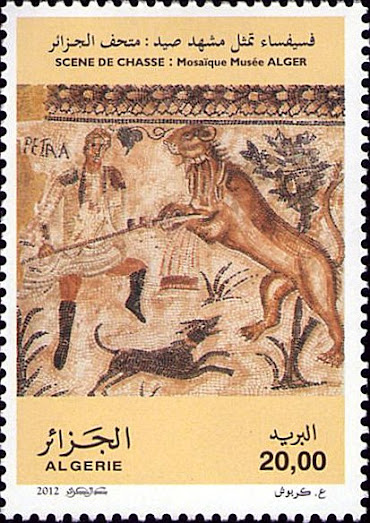
Hunting scene - Algiers Museum
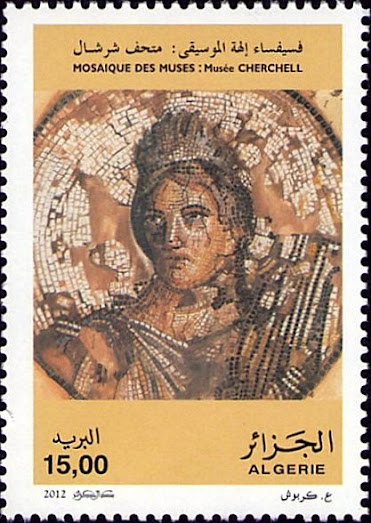
Mosaics of the muses - Cherchell Museum

Comics in Algeria