Welcome to Algeria Stamps
A historic collection of 1,730 Algeria postage stamps

✨ Discovery of the day
Year: 2014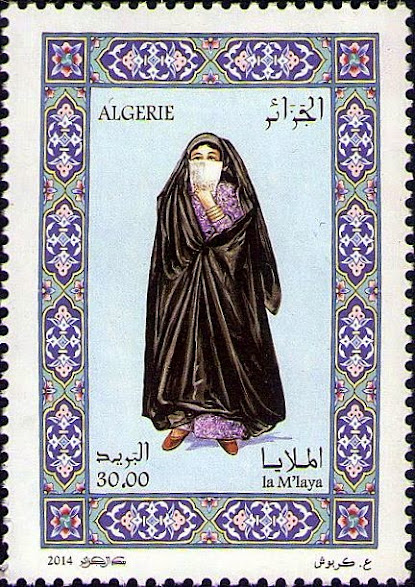
M’laya
The drape as opposed to the fitted suit has neither shape nor seam. Contrary to popular belief, the veil as a draped garment is not the prerogative of Muslim women; it was also worn by Christian and Jewish women. Often woven from wool, cotton or silk thread, its materials, colors and role change from one era to another, from one culture to another, from one region to another, from one social class to another and from one generation to another. the veil has different names in the Arab Maghreb countries: “Barakan” in Libya, “Sefsari” in Tunisia, “Haik” in Morocco and Algeria. The veil is known in Algeria in several variations: La M'laya: the women of Eastern Beylik decided in 1792 to wear, as a sign of ostentatious mourning, a long veil made of black cloth with which they covered their entire body, following the tragic death of Salah Bey who governed Constantine for 21 years. The latter was a fair, honest man and loved by the local population. The Algerian veil symbolizes femininity, purity, it also represents Algerian identity.
View Stamp Details →Collection Gallery

Lactarius deliciosus - Delicious lactarius

Lepiota procera - Raised Lepiota

Psalliota xanthoderma - Yellow Agaric

Bolenus satanas - Satan Bolete
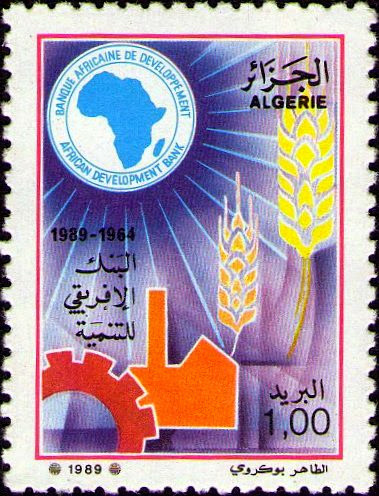
25th Anniversary of the African Development Bank ADB

35th Anniversary of the National Liberation War

Xiphias gladius (Swordfish)

Pagellus bogaraveo (Pironneau)

Zelis faber (Saint Pierre)

Sarda sarda (Striped bonito)

National Productions

Centenary of the Inter-Parliamentary Union

20th Anniversary of the First Man on the Moon

International Children's Day

Locust Control

20th Anniversary of National Service

Hassi R'mel Gas Complex
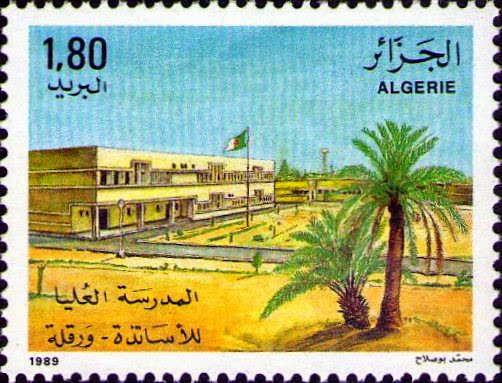
Ouargla Higher Normal School

Saharan Agriculture

Tamanrasset aerodrome

Tebessa Airfield

Es Sénia Oran aerodrome

National Telecommunications Network
