Welcome to Algeria Stamps
A historic collection of 1,730 Algeria postage stamps

✨ Discovery of the day
Year: 1968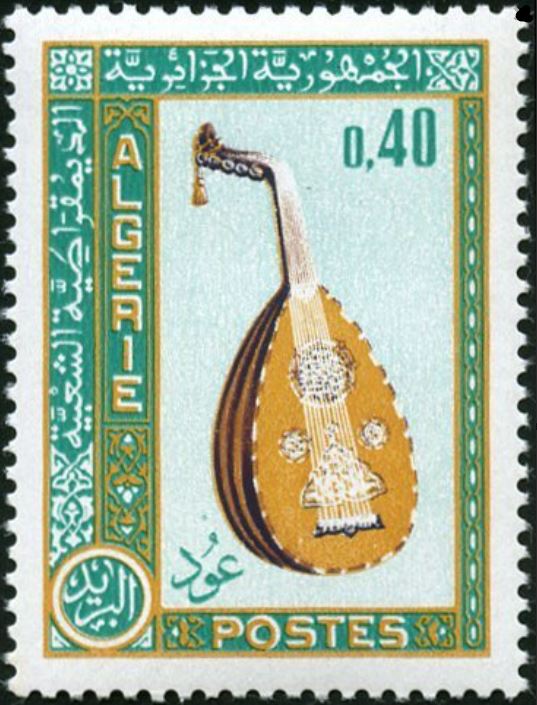
Lute
In Algeria, as throughout the Maghreb, we continue to call Arab musical art Andalusian music, in preference to a decisive stage of its evolution. It is the heritage of a long tradition which, from Baghdad to Cordoba, from Cordoba to Granada, then from Granada to Tlemcen, Algiers, Bougie, Constantine, has found itself so perfectly assimilated, individualized, personalized since the tragic ebb of the Muslims of Spain. This music appears, without doubt, as the national music, the classical music of Algeria. The most glorious of his instruments is the lute. We can also cite the rebab and the kuitra. The lute (‘oud), whose origins date back to ancient times, occupies a large place in the history of Arab music. It is made up of a pear-shaped resonance box. The soundboard is decorated in the center by one or three rosettes, finely openworked and decorated with ivory or mother-of-pearl inlays. The strings, five in number in the classical type, are plucked using an eagle feather. The lute is currently the most popular musical instrument in the Arab world.
View Stamp Details →Collection Gallery
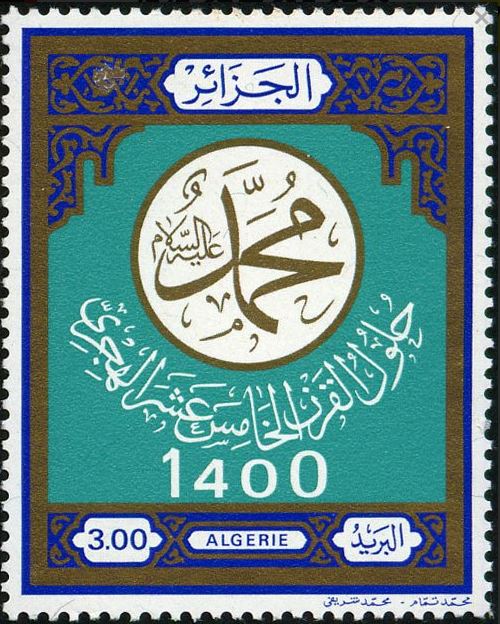
Advent of the 15th Century AH
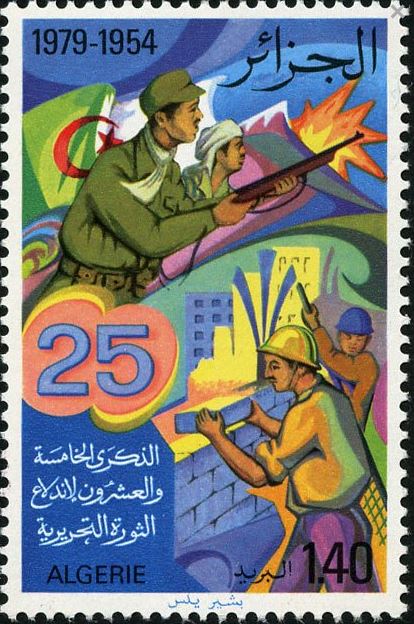
25th Anniversary of November 1, 1954
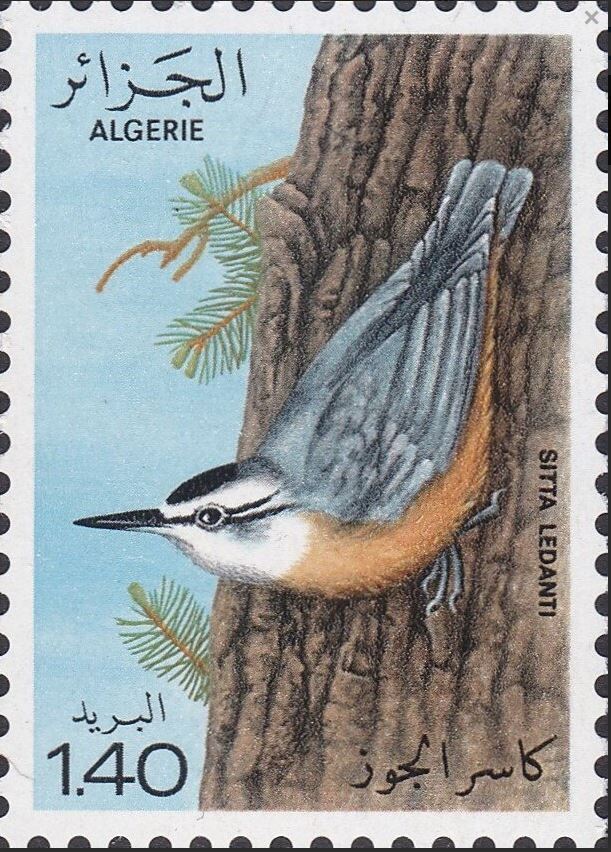
La Sitelle
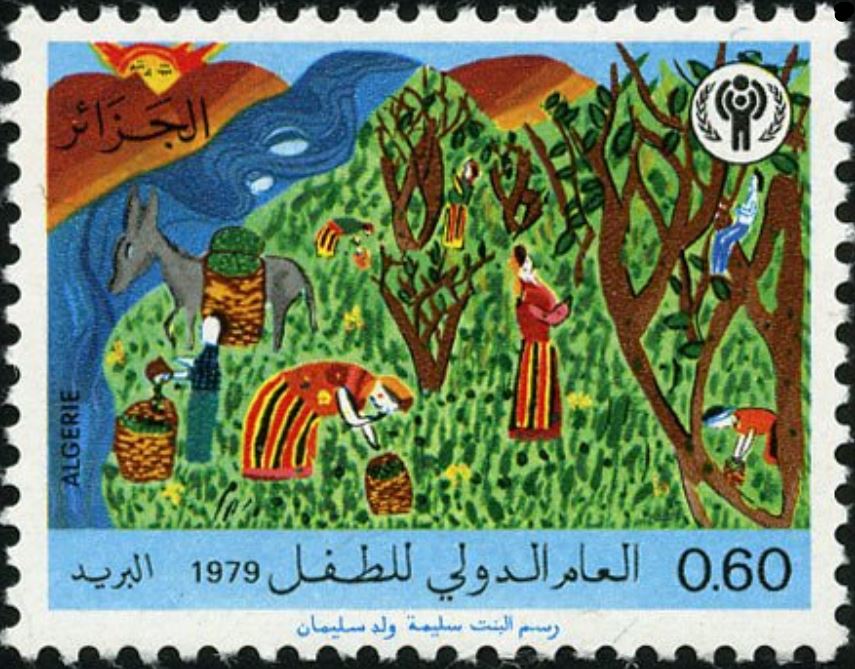
International Year of the Child
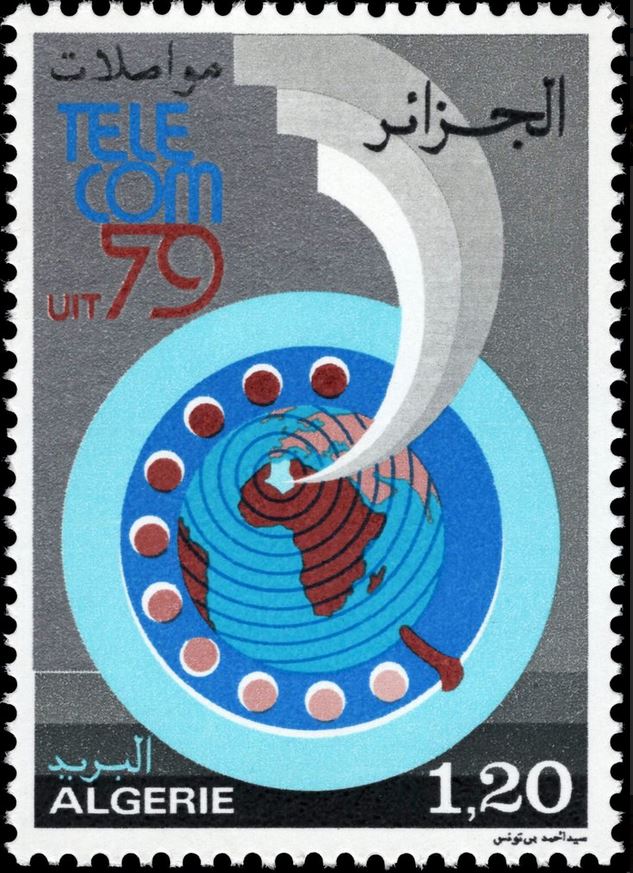
Telecom 79 International Exhibition, in Geneva

Sheikh Abdelhamid Ben Badis
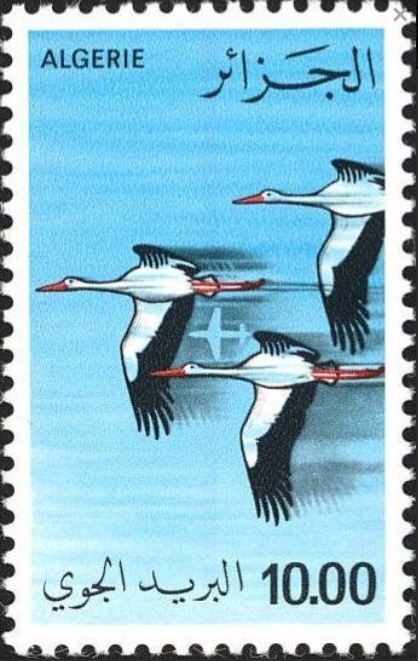
Storks
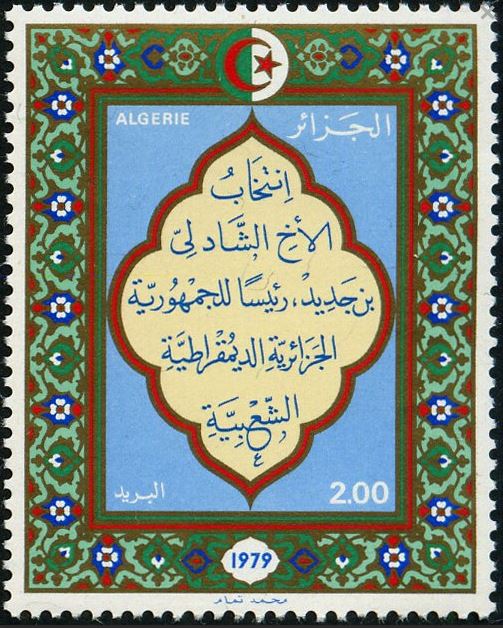
Election of Mr. Chadli Bendjedid President
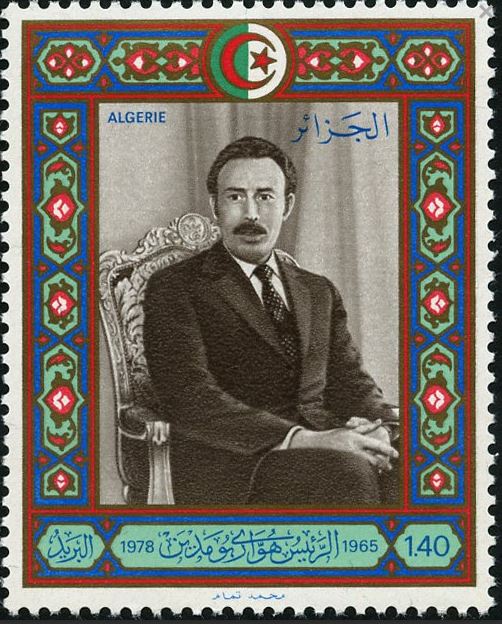
Fortieth day of the death of President Houari Boumedienne
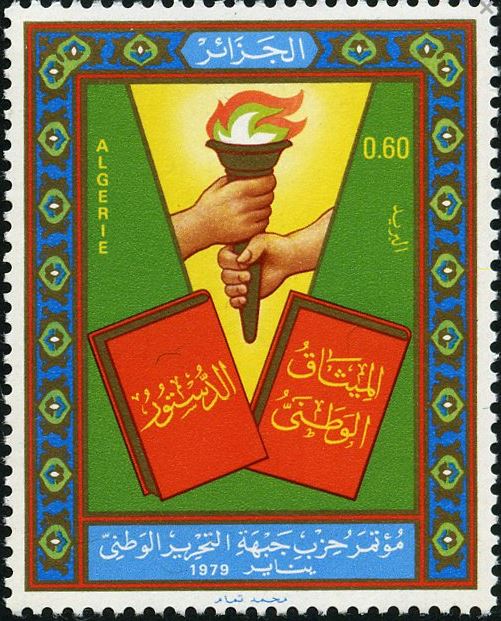
National Liberation Front Party Congress
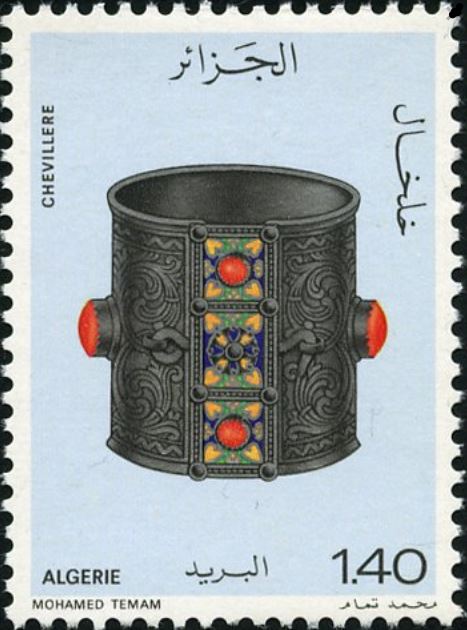
Jewelry - Anklet
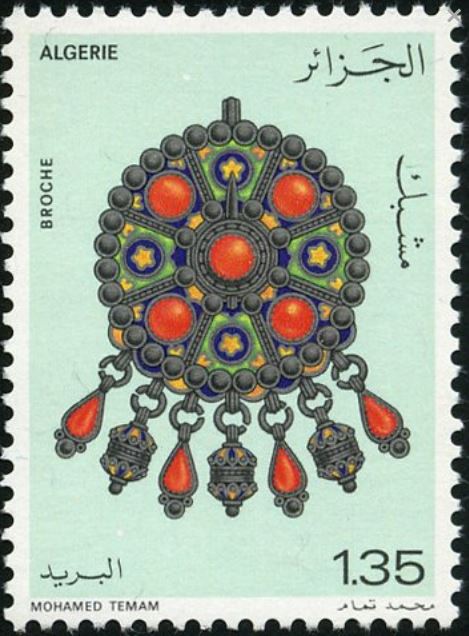
Jewelry - Brooch
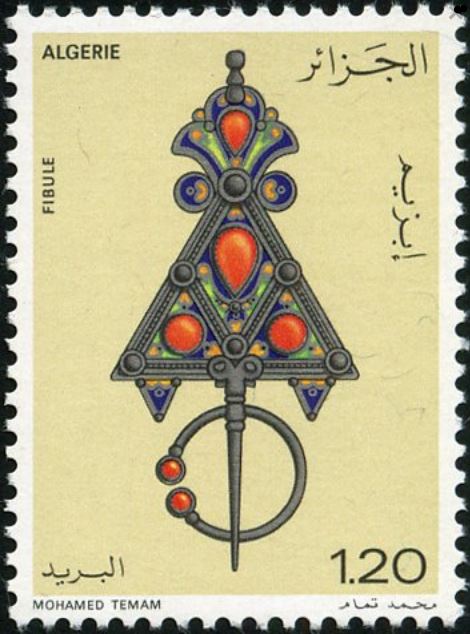
Jewelry - Fibulae
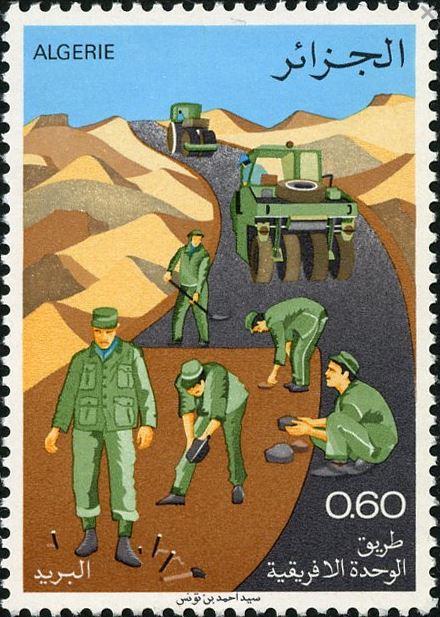
Road to African Unity
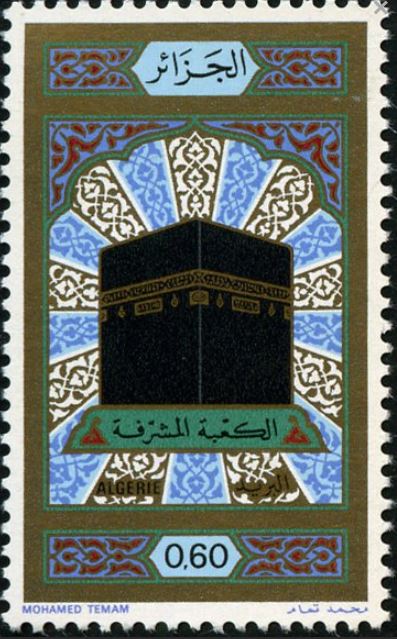
Holy Ka'ba (Mecca - Saudi Arabia)
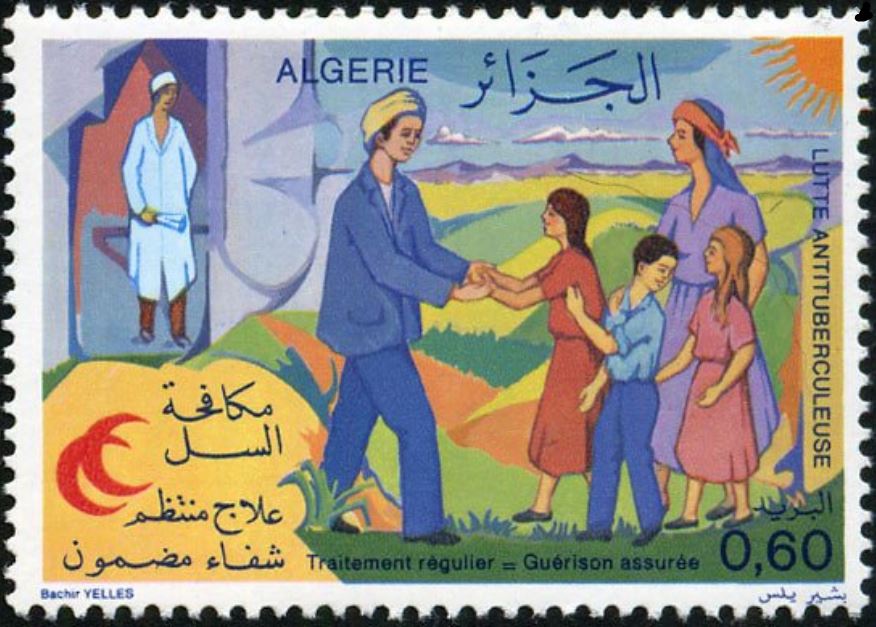
Anti-tuberculosis control
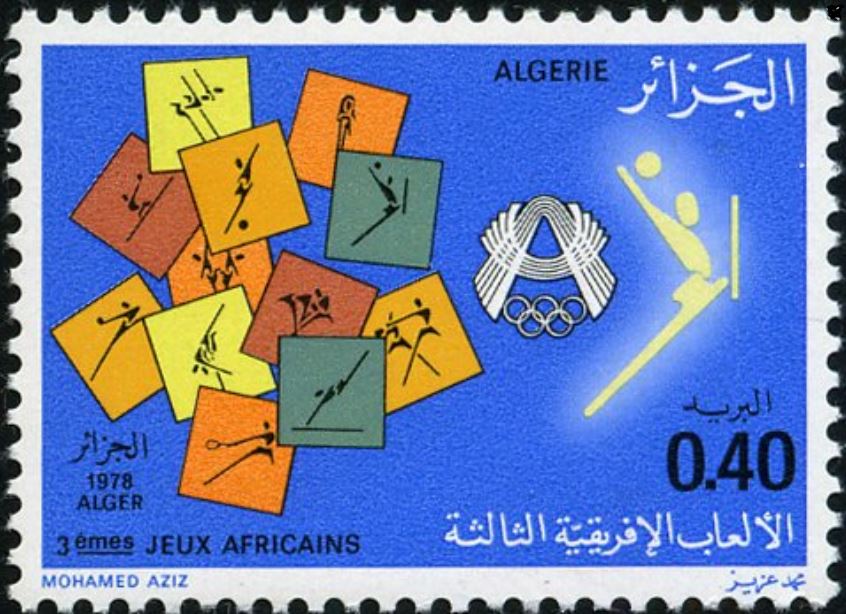
3rd African Games in Algiers
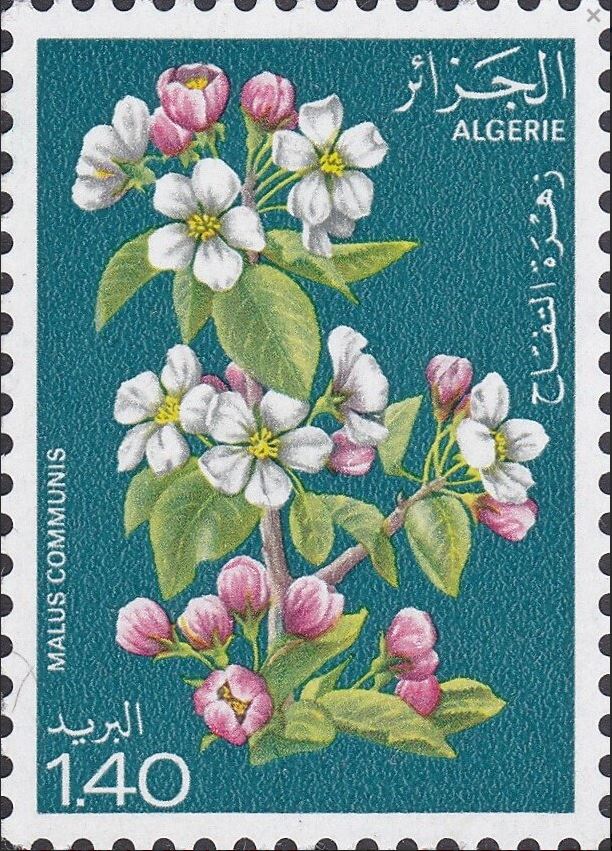
Malus communis - Apple tree
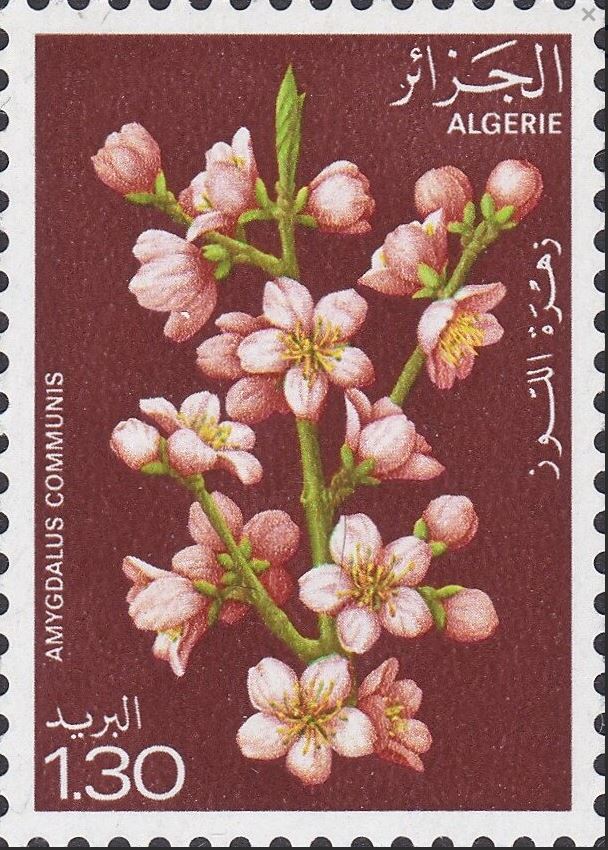
Amygoalus communis - Almond tree
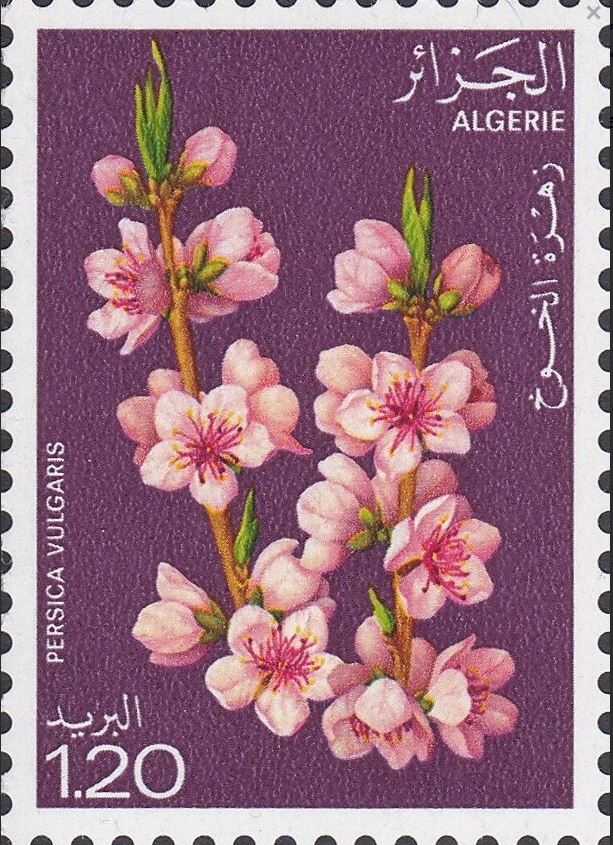
Persica vulgaris - Peach
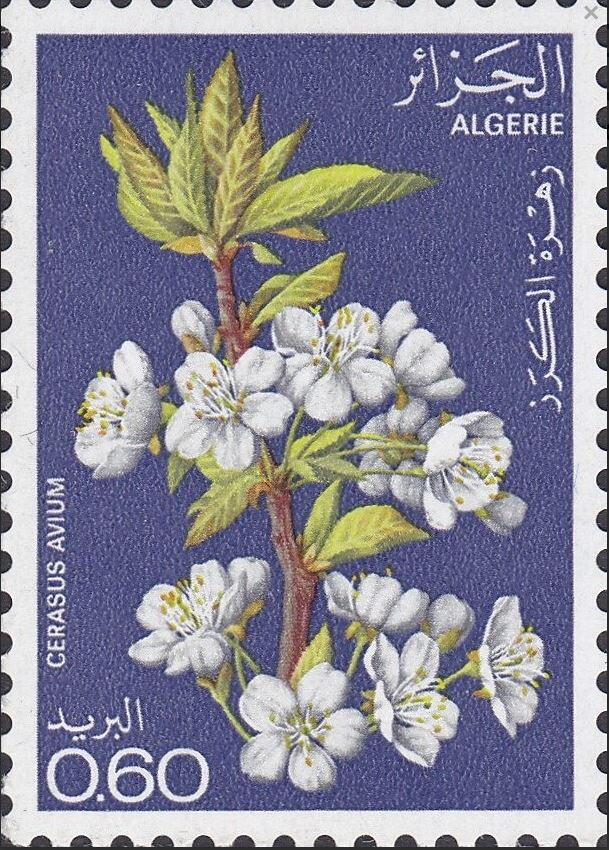
Cerasus avium - Cherry
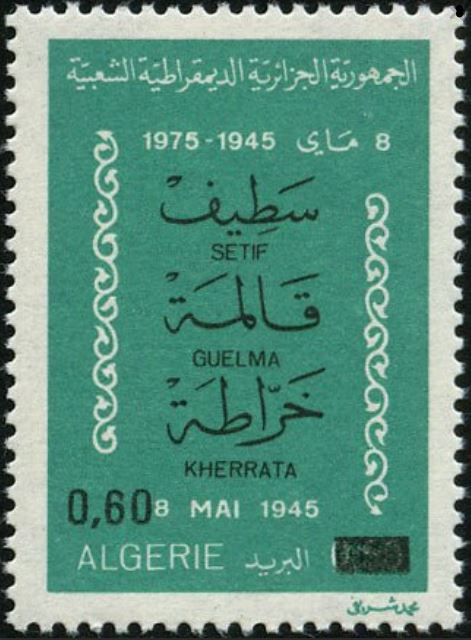
Massacres of Sétif, Guelma and Kherrata
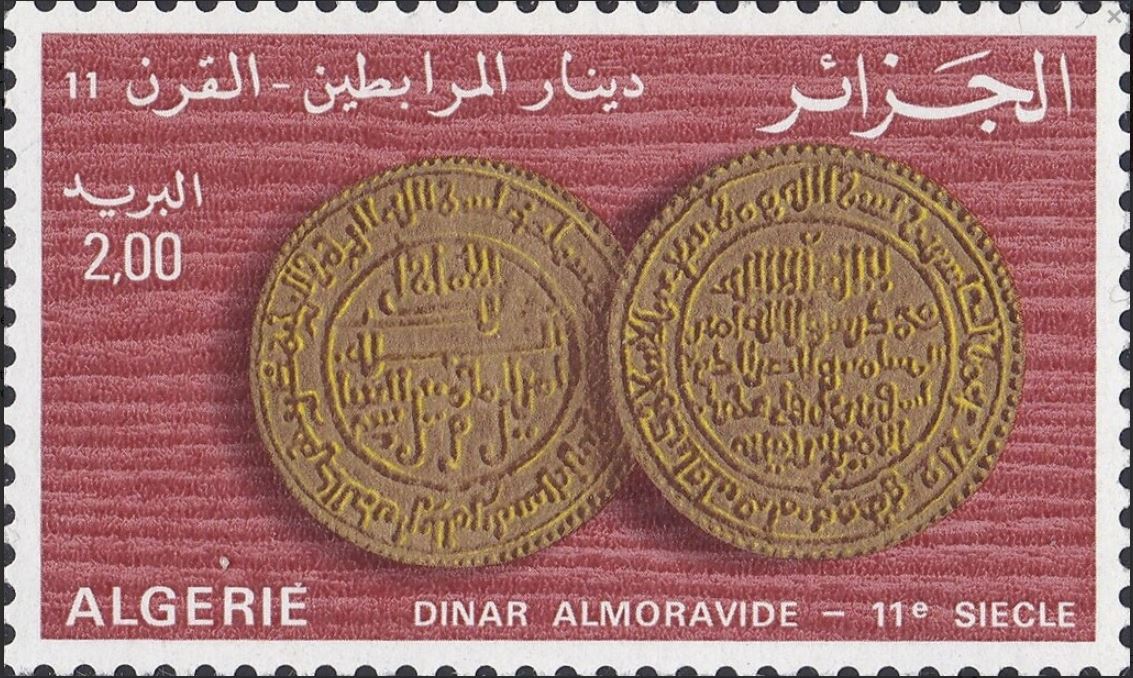
Almoravid Dinar 11th century